Prep Once, Eat Well All Year: A Burnout-Proof Meal Prep System That Rotates With the Seasons
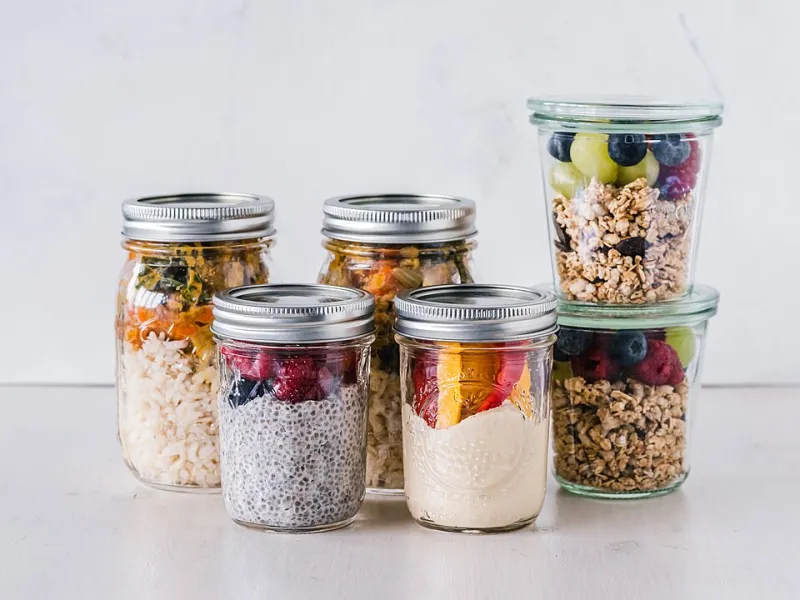
Photo: Ella Olsson from Stockholm, Sweden, CC BY 2.0, via Wikimedia Commons
Let's be honest — most meal prep advice sounds great in January. You're motivated, your fridge is stocked with color-coded containers, and you genuinely believe you'll do this forever. Then week four rolls around, and you're staring down your fifth consecutive lunch of brown rice and steamed broccoli like it personally wronged you.
The problem isn't meal prepping. The problem is treating it like a rigid military operation instead of a living, breathing system that adjusts to your life. At AreKore365, we believe wellness isn't a sprint — it's a 365-day rhythm. And your nutrition plan should move with that rhythm, not fight against it.
Here's how to build a meal prep approach that actually lasts.
Why Most Meal Prep Plans Fall Apart
The number one reason people abandon their nutrition routines isn't laziness. It's boredom mixed with overwhelm. Cooking the same five meals on repeat gets old fast, and when prepping starts feeling like a chore rather than a strategy, the whole thing collapses.
The fix? Build rotation into the system from day one. Instead of choosing one set of recipes and committing to them forever, you work with templates — flexible frameworks that stay consistent in structure but rotate in ingredients and flavor. Your body gets the nutritional consistency it needs, and your taste buds actually stay interested.
The Template Approach: Structure Over Recipes
Forget memorizing a dozen specific recipes. Instead, think in categories:
- A protein base (chicken thighs, ground turkey, salmon, tofu, eggs, lentils)
- A complex carb (brown rice, quinoa, sweet potatoes, farro, whole-grain pasta)
- Two vegetables (roasted, raw, or sautéed — mix the textures)
- A sauce or seasoning theme (Mediterranean, Asian-inspired, smoky BBQ, citrus herb)
- A grab-and-go snack (trail mix, Greek yogurt parfaits, hard-boiled eggs, hummus + veggies)
Every week, you fill in those slots. The structure never changes. The ingredients do. This approach cuts decision fatigue dramatically — you're not starting from scratch each Sunday, you're just swapping variables.
Rotating With the Seasons (and Your Grocery Bill)
One of the smartest moves you can make is letting the season do the heavy lifting. Seasonal produce is cheaper, fresher, and frankly more delicious. Here's a rough seasonal guide to keep your prep exciting and cost-effective:
Winter (Dec–Feb): Lean into root vegetables — butternut squash, parsnips, sweet potatoes. Hearty proteins like beef stew meat, lentil soup bases, and baked salmon work beautifully. Warming spice profiles (cumin, smoked paprika, ginger) keep things cozy.
Spring (Mar–May): Asparagus, peas, spinach, and radishes come alive. Lighter proteins like shrimp, chicken breast, and white fish shine. Think lemon-herb dressings and fresh grain bowls.
Summer (Jun–Aug): This is peak produce season. Zucchini, corn, tomatoes, and peppers are everywhere and cheap. Cold prep options — mason jar salads, overnight oats, chilled grain bowls — make sense when it's 90 degrees outside and nobody wants to use the oven.
Fall (Sep–Nov): Brussels sprouts, apples, kale, and acorn squash take the spotlight. Batch soups and sheet-pan dinners become your best friends. It's also a great time to experiment with warm spice blends like cinnamon in savory dishes (yes, really — try it on roasted carrots).
Matching Your Prep to Your Fitness Goals
Your nutrition needs aren't static, and your meal prep shouldn't be either. Here's how to adjust your weekly template based on where you are in your fitness journey:
Building muscle or increasing strength? Prioritize protein at every slot. Aim for 1.6–2.2 grams of protein per kilogram of body weight daily. Prep higher-calorie carb options like brown rice and oats, and don't skip healthy fats — avocado, olive oil, and nuts belong on your plate.
Focused on fat loss? Shift toward higher-volume, lower-calorie vegetables (think leafy greens, cucumbers, cauliflower) to keep you full. Keep your protein high to preserve muscle. Pre-portioning your snacks is especially helpful here — it removes the guesswork when hunger hits at 3 p.m.
Maintaining and just eating well? Lucky you — this is the most flexible zone. Focus on variety and balance. Try one new ingredient per week to keep things interesting without overhauling your whole system.
Batch-Cooking Strategies That Save Your Sunday
The goal isn't to spend your entire weekend in the kitchen. Efficient batch cooking is about maximum output for minimum time. A few principles that work:
Use your oven like a multitasker. Roast two or three sheet pans at once — proteins on one, vegetables on another, maybe a grain bake on a third. While those cook, prep your cold items on the counter.
Cook grains in bulk. A big pot of quinoa or farro takes the same effort whether you make one cup or four. Cook four. It keeps in the fridge for up to five days and freezes well.
Prep components, not full meals. Rather than assembling complete dishes, prep your building blocks separately. That way, you can mix and match throughout the week, which prevents the "same meal every day" fatigue.
Freeze strategically. Soups, chilis, marinated proteins, and cooked grains all freeze beautifully. Build a small freezer stash during low-stress weeks so you have a backup when life gets chaotic.
Keeping the Momentum Going: The Monthly Reset
Every month, do a quick five-minute review of your system. Ask yourself: What did I actually eat? What sat untouched in the fridge? What did I genuinely enjoy?
This isn't about judgment — it's about refinement. Ditch what isn't working and double down on what is. Over time, you'll build a rotating library of go-to combinations that feel effortless because they're tailored specifically to you.
Meal prep isn't about perfection. It's about making the healthy choice the easy choice, week after week, season after season. Build the system once, tweak it as you go, and let it carry you through all 365 days.