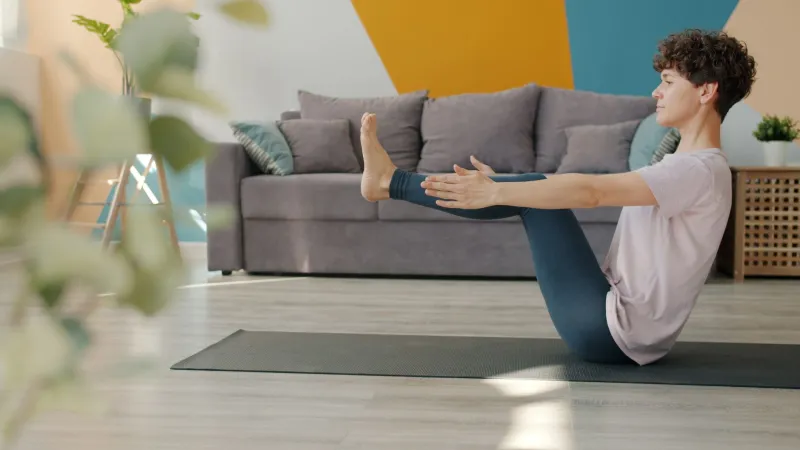
When Getting Healthy Costs You Friends: Navigating the Social Side of Your Wellness Journey
You swapped late-night pizza runs for early-morning workouts. You're drinking more water than wine at happy hour. You're meal prepping on Sundays instead of nursing a hangover on the couch. Things are going really well—except for one awkward reality: some of your friendships suddenly feel... complicated.
If you've ever felt a weird tension between your health goals and your social life, you're not imagining it. Getting serious about wellness can quietly shake up your relationships in ways nobody warns you about. And that emotional friction? It deserves just as much attention as your macro split or your sleep schedule.
Why Wellness Journeys Stir Up Social Tension
Here's the thing—most friendships are built around shared habits. You and your college crew bond over Sunday brunch. Your coworker friends blow off steam at the bar on Fridays. Your best friend since high school is your standing partner for Netflix binges and takeout nights. These rituals aren't just about food or drinks—they're about connection, comfort, and belonging.
When you start changing those habits, even with the best intentions, the people around you can feel like something shifted. And sometimes, it has. You're not available in the same ways you used to be. You're turning down invitations. You're ordering differently at restaurants. You're leaving early to get your sleep in.
For some friends, that reads as rejection. For others, it quietly holds up a mirror they didn't ask to look into. When you start prioritizing your health, people who haven't yet confronted their own habits can feel judged—even if you haven't said a single word.
The Guilt Trip Is Real (Even When It's Subtle)
Maybe your friend sighs when you order a salad. Maybe someone jokes that you've become "no fun" since you started working out. Maybe you've gotten the classic "just this once won't kill you" at every single gathering. These comments can feel harmless on the surface, but over time, they add up to a kind of low-grade social pressure that chips away at your resolve.
What's tricky is that the people saying these things usually aren't trying to sabotage you. They might miss you. They might feel left behind. Or they might be struggling with their own complicated feelings about health and self-image. None of that makes it okay, but understanding the why behind the friction can help you respond instead of react.
How to Set Boundaries Without Building Walls
The goal isn't to ghost your friends or turn every hangout into a lecture on nutrition. It's to be honest about what you need while staying genuinely present in the relationship.
Lead with connection, not correction. When you decline a late-night outing, frame it around what you're moving toward, not what you're giving up. "I'm really trying to protect my mornings right now" lands a lot softer than "I can't, I have to be up early to work out."
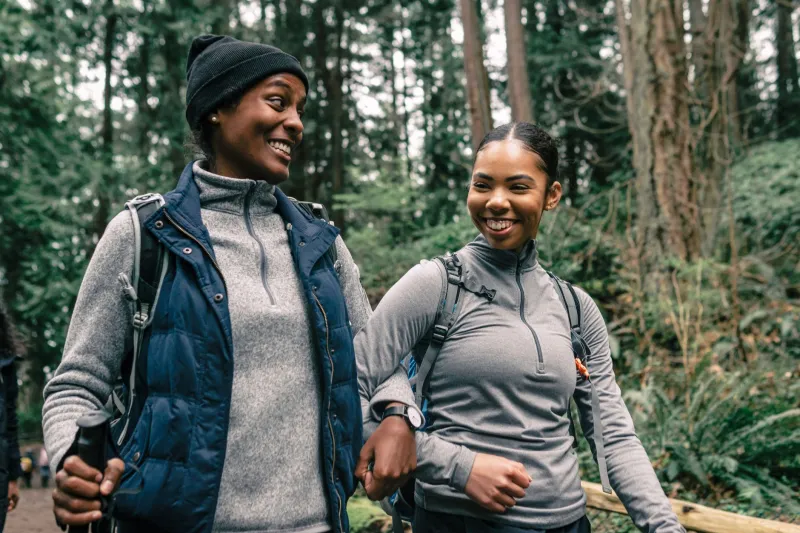
Find the overlap. Most social activities can be adjusted without losing the fun. Suggest a morning hike instead of a boozy brunch. Propose cooking dinner together at home instead of hitting a chain restaurant. You don't have to choose between your health and your social life—you might just need to get creative about where they meet.
Be honest without being preachy. If a close friend asks why you've changed your habits, share your story—but make it personal, not prescriptive. "I've been feeling so much better since I started paying attention to my sleep" is an invitation to connect. "You should really try cutting out sugar" is not.
Know which friendships can grow with you. Some relationships have real depth and will adapt. Others were built almost entirely around shared habits that no longer serve you. It's okay to acknowledge that difference, even if it's a little sad.
When the Friendship Can't Flex
Sometimes, despite your best efforts, a friendship just doesn't survive the shift. That's genuinely hard—and it's okay to grieve it. But it's also worth asking yourself whether a relationship that only works when you're not taking care of yourself was ever fully supporting you to begin with.
You don't have to burn anything down. But you are allowed to let some connections naturally recede as others grow. That's not betrayal. That's growth.
Building a Social Circle That Actually Has Your Back
One of the most underrated parts of a sustainable wellness journey is finding your people—the ones who make healthy choices feel normal instead of weird.
This doesn't mean you need to join a cult or find friends who only talk about protein shakes. It means surrounding yourself with people who respect your priorities, even if they don't share all of them.
Here's where to start:
- Try fitness-based social events. Group runs, recreational sports leagues, yoga classes, and gym communities are built-in opportunities to meet people whose lives already have movement baked in.
- Look local. Farmers markets, cooking classes, and wellness workshops in your area are great spots to connect with people who are curious about healthy living without being rigid about it.
- Use online communities intentionally. Reddit threads, Discord servers, and apps like Strava or MyFitnessPal have built-in communities where real encouragement happens every day. Just make sure you're engaging rather than just scrolling.
- Invest in friends who are already on their own journey. You don't need someone who's doing exactly what you're doing—you need someone who gets why you're doing it.
Your Wellness Journey Is Also a Relationship with Yourself
At the end of the day, the friction that comes up in your friendships during a health transformation is really just a signal that something deeper is shifting. You're learning what you actually need, what you value, and what kind of life you want to build. That kind of clarity naturally reshapes everything around you—including who you spend your time with.
The friends who stick around through that process, who cheer you on even when they don't fully understand your choices, who show up for the Sunday hike instead of the Sunday hangover? Those are the ones worth investing in.
And if you haven't found that circle yet, keep going anyway. The right people tend to show up when you're already living in a way that reflects who you're becoming.
Your health journey is yours. But it doesn't have to be lonely.